
After more than a decade working with heating and cooling systems in homes of every size and age, I’ve learned that the biggest problems often hide where people rarely look. And somewhere in the centre of nearly every long-term airflow issue I’ve diagnosed sits duct cleaning for HVAC systems. Homeowners tend to focus on the furnace or air conditioner when something feels off, but in my experience, the ductwork quietly shapes the performance of the entire system.
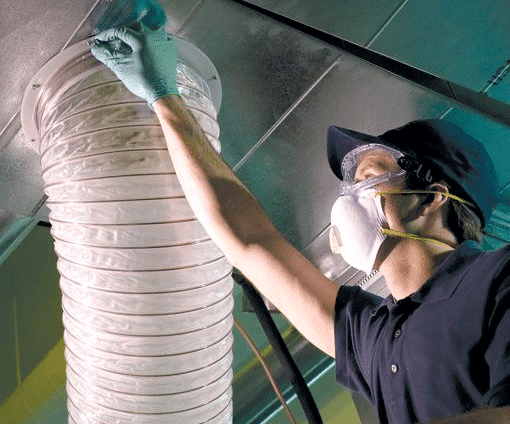 One of the first situations that drove this lesson home for me involved a family in a two-storey house whose furnace kept short-cycling. They were convinced it needed replacing. When I opened the return trunk, I found a dense mat of pet hair and debris stuck just a few feet inside the line. Their system wasn’t failing—it was suffocating. After clearing and cleaning the ductwork, the furnace ran smoothly, and the noise they’d grown accustomed to disappeared almost immediately. The homeowner admitted they’d never even considered the duct system as part of the diagnosis.
Renovations create their own category of problems. A customer last spring had just finished a major basement remodel and couldn’t understand why dust covered the upstairs rooms within hours of cleaning. When I ran my inspection camera down the ducts, the return line looked as if someone had sifted flour through it. The contractor hadn’t covered the vents while sanding, and the dust had been pulled deep into the system for weeks. I focused the cleaning on the affected ducts and the main trunk, and the air quality improved the same day. That job reminded me how often construction dust hides in the ventilation system long after the project wraps up.
I’ve also seen many cases where the symptom points to the furnace even though the duct system is the real culprit. A homeowner once called me because their brand-new HVAC unit seemed to be struggling. The airflow was uneven, and some rooms were freezing while others felt stale. When I inspected the ducts, I found sections partially collapsed behind drywall from a previous renovation and another line blocked by insulation that had fallen into the return. The furnace wasn’t the issue—it was pushing into a system with nowhere for the air to go. After repairing the ductwork and cleaning the lines, the new furnace performed exactly as it should.
Of course, duct cleaning isn’t always the answer, and I’ve learned to be candid about that. A couple contacted me because they believed their ducts were contaminated—they noticed a musty odor whenever the system ran. The smell didn’t match anything I’ve associated with dusty or dirty ductwork. After a full inspection, I traced it to water pooling under their washing machine, soaking insulation near a return vent. Cleaning wouldn’t have helped; addressing the leak did. Situations like that reinforce my belief that duct cleaning is most effective when it solves a real mechanical or air-quality issue, not when it’s used as a guess.
Still, after years of crawling through attics, basements, and cramped mechanical rooms, I’ve come to appreciate how central ducts are to HVAC health. Clean, unobstructed lines reduce strain on the blower motor, improve energy efficiency, and help distribute air evenly throughout the home. When the ducts are dirty or blocked, everything downstream—from comfort to utility bills—starts to shift in the wrong direction.